
August 11, 2025
✨ The Ancient Art of Immortality
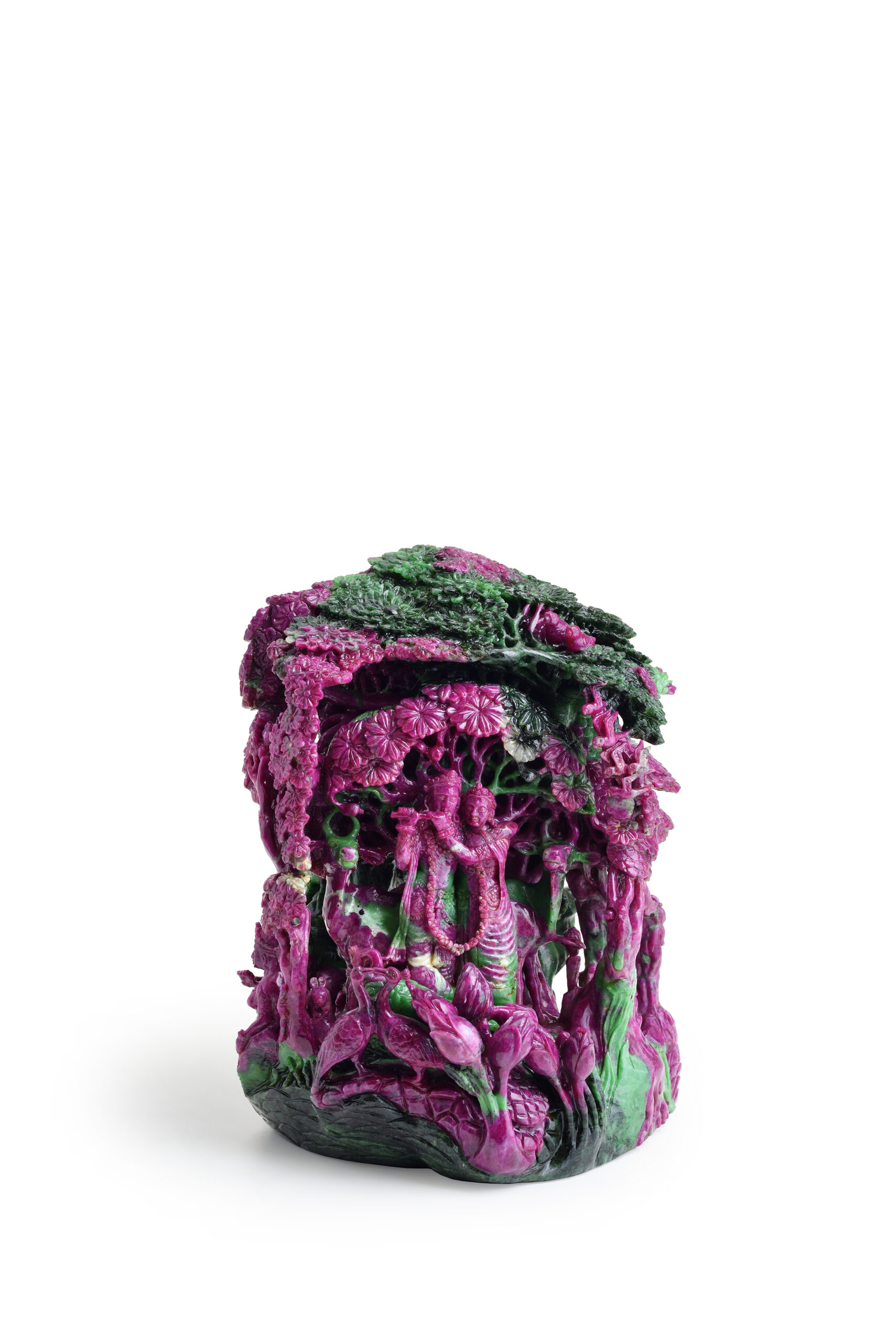
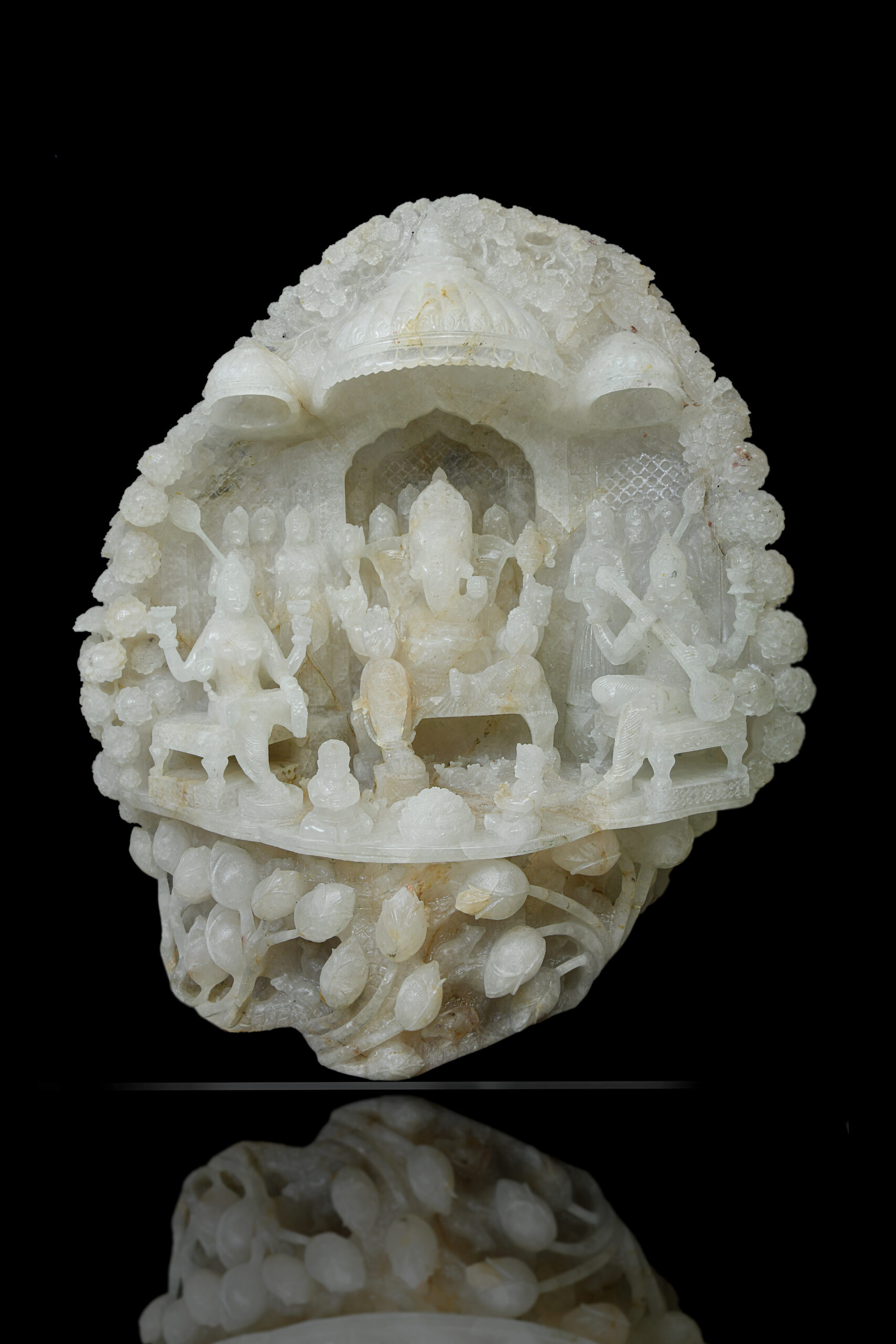
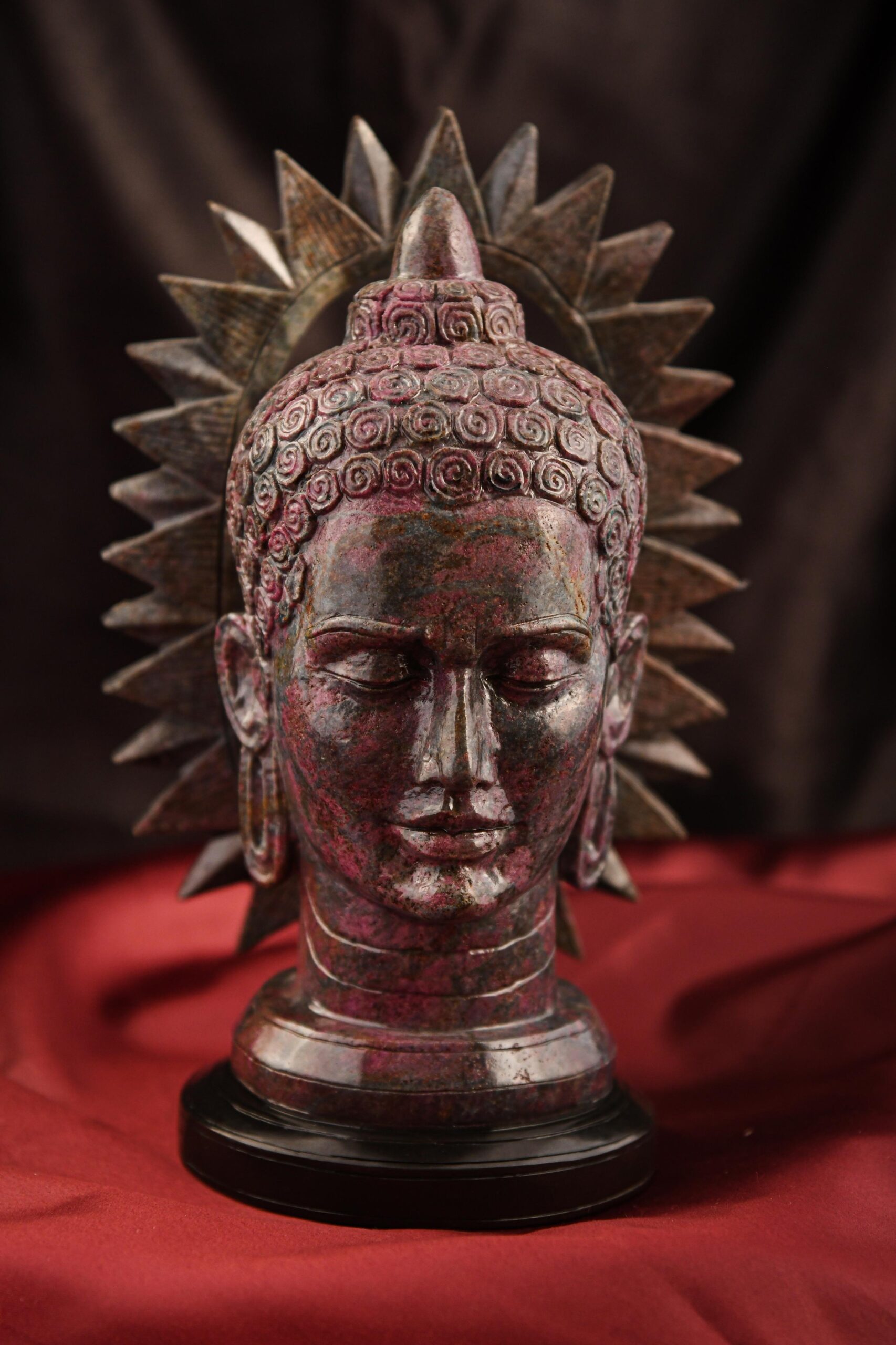
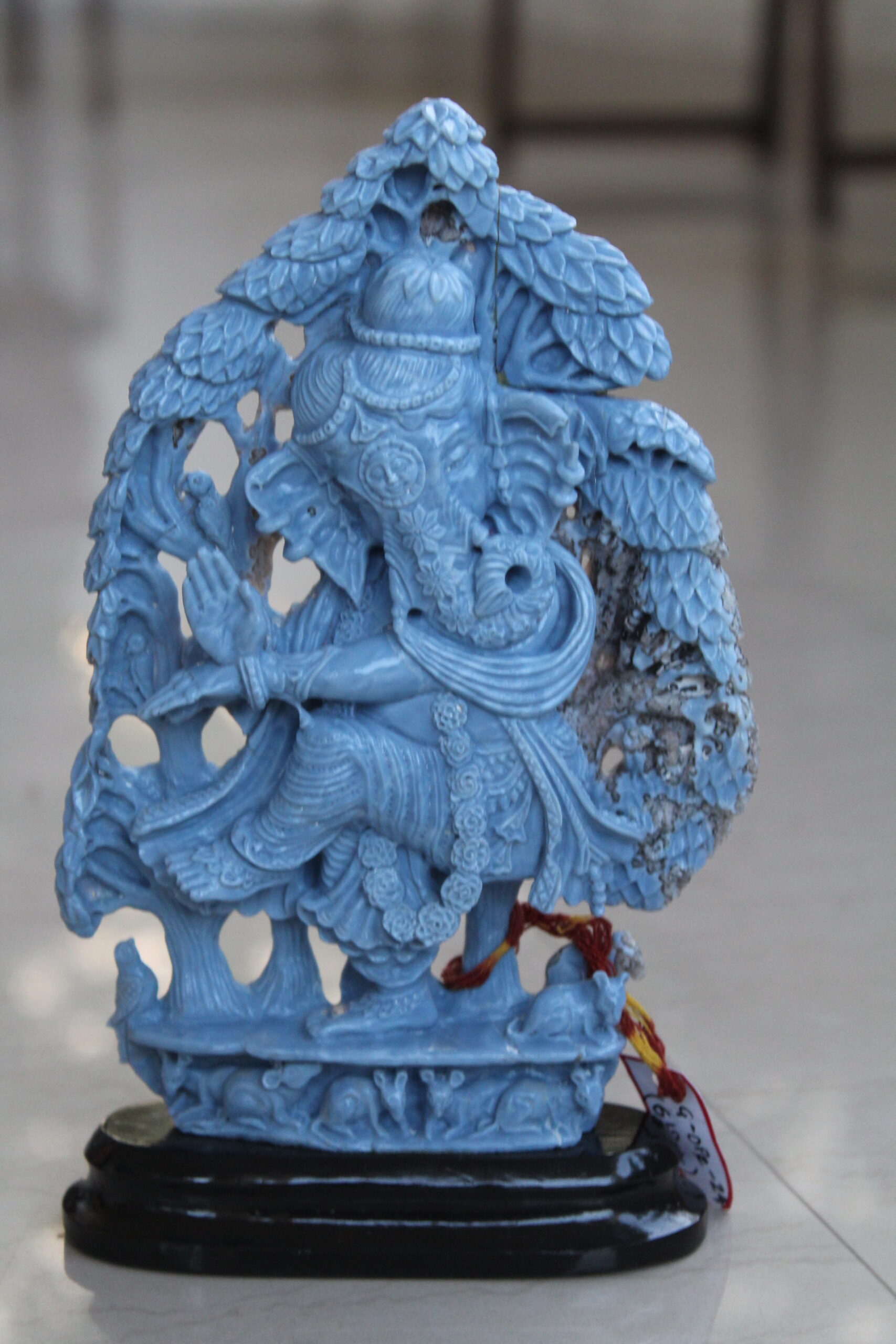
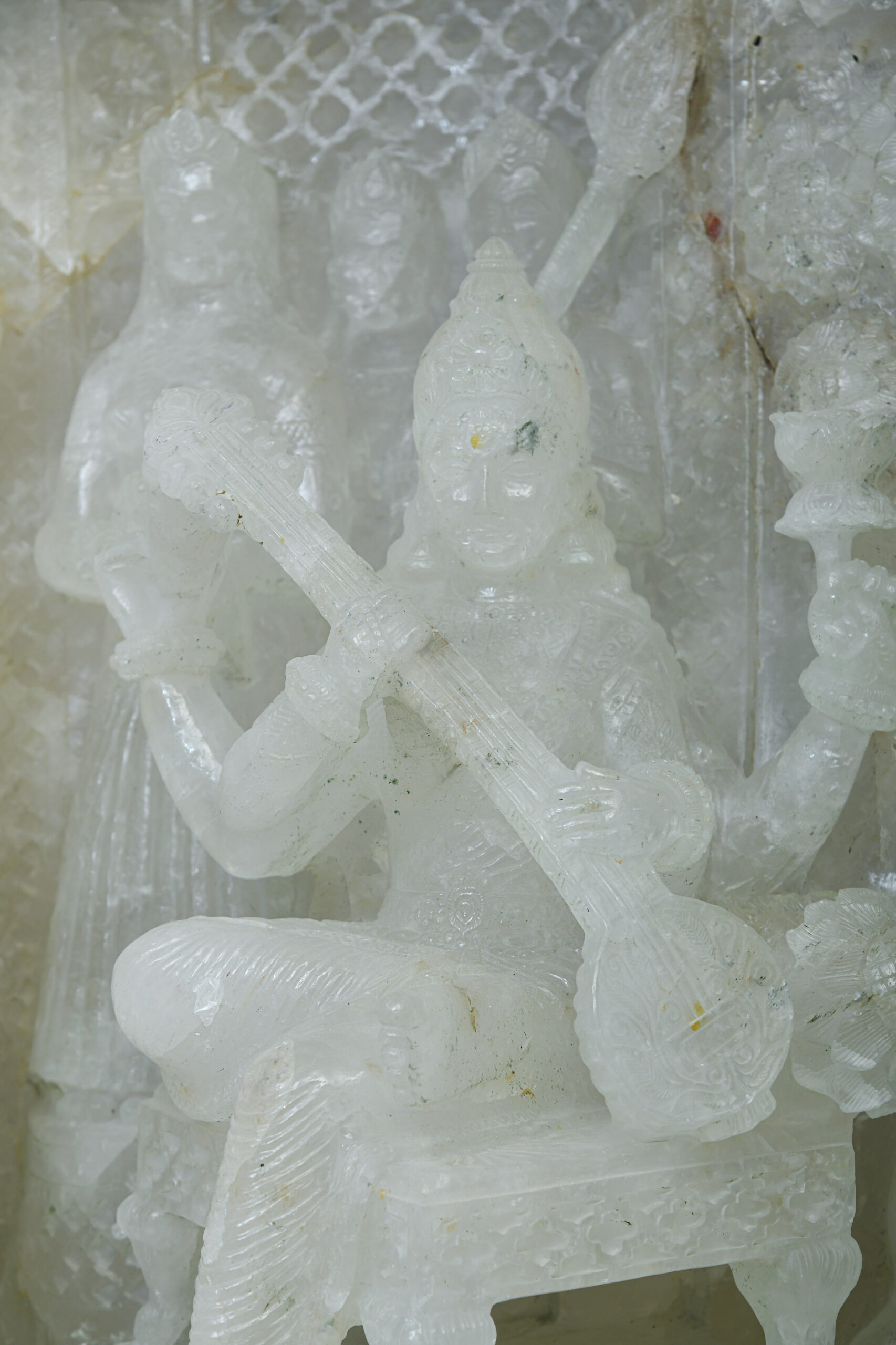
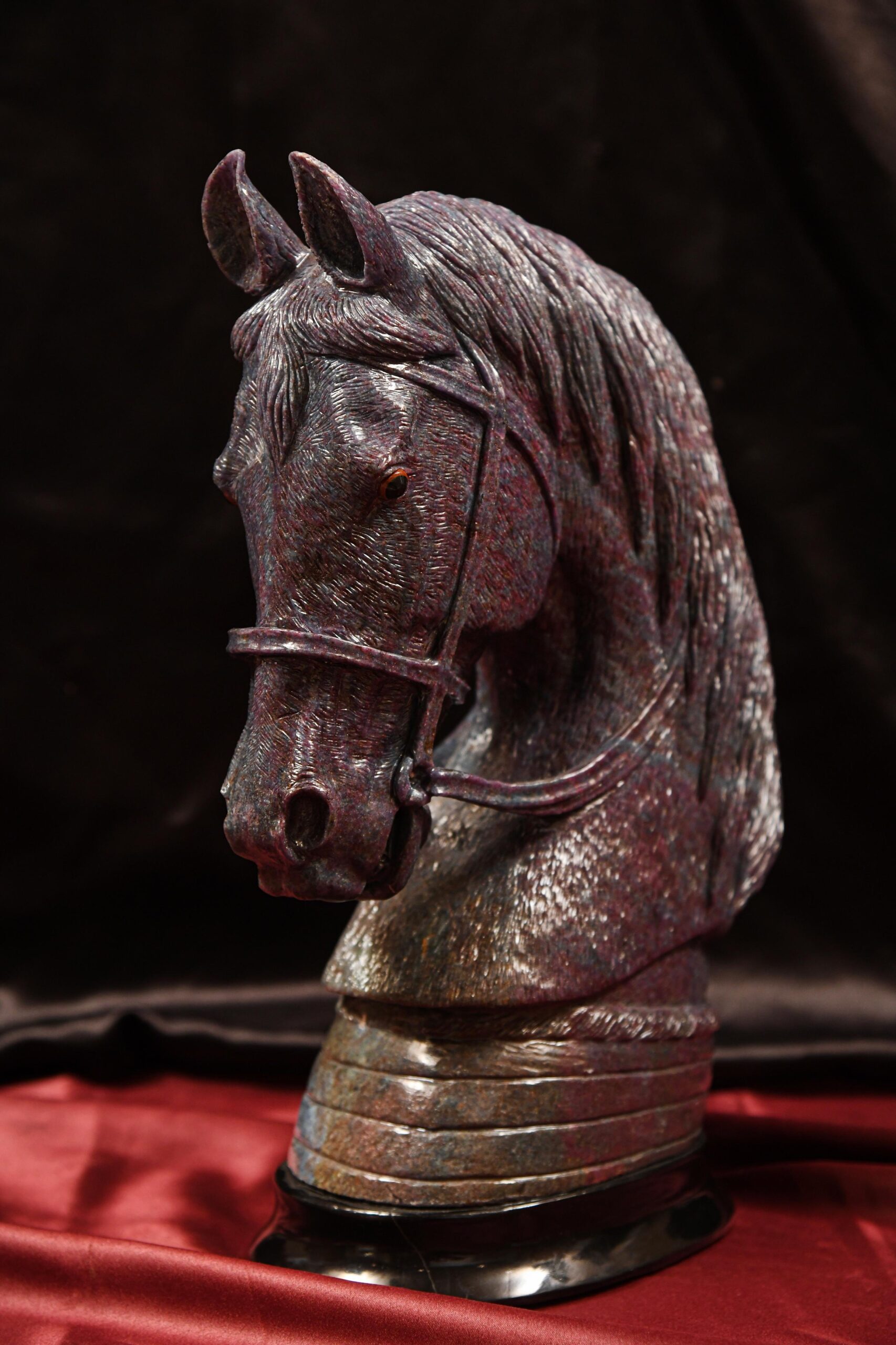
Gemstone carving is the age-old tradition of turning hard, natural gemstones into sculptural masterpieces using hand tools, precision instruments, and sheer patience.
Used in India, China, Egypt, and Persia for thousands of years, gemstone carving has been revered not just for its beauty—but for its spiritual, cultural, and healing significance.
🛠️ HOW IS IT DONE?
- Stone Selection
The process begins by choosing a suitable stone—evaluating its clarity, hardness, grain, and energy. Common stones used include rock crystal (quartz), ruby, jade, turquoise, aquamarine, tourmaline, and rose quartz. - Sketch & Design
Each piece is sketched out on paper or directly onto the gemstone. The artisan envisions the form within the stone, respecting its natural color zones and lines. - Carving Begins
Using diamond-tipped tools, tiny chisels, burrs, and handmade blades, carving starts in layers. The artisan removes gemstone millimeter by millimeter, often under a magnifying glass for details. - Shaping & Undercutting
Depending on the style—whether it’s 3D, flat-relief, or undercarving—the sculpture is given shape. Single-stone carvings require extreme control, as any crack ruins the entire work. - Polishing & Finishing
After rough carving, each surface is polished using specialized abrasives to bring out the natural luster of the stone. In BHENT’s process, no chemicals or synthetic polishes are used—just natural refinement. - Blessing the Piece
Especially in religious works, final touches are made with devotion, often accompanied by prayer or mantra.
🪔 Why Is It So Rare?
- Gemstone carving is one of the hardest forms of sculpture—due to the brittle nature of stones like ruby or crystal.
- Very few artisans today practice it at the level BHENT does—where pieces are carved from a single stone, with no joints, adhesives, or modular construction.
Each carving may take months or even years, and is often one-of-a-kind.
Share
Share on facebook
Share on twitter
Share on linkedin
Recent Posts
August 11, 2025

Archives
Gallery
Subscribe To Our Newsletter
Subscribe for your email and get 10% off your first order!
Quick Links